The Evolution of Smart Glasses
The realm of wearable technology has seen significant transformations over the past few decades, with smart glasses emerging as one of the most promising innovations. These devices offer not just visual enhancement but also smart functionalities that integrate digital information into our daily lives. As we approach 2026, the potential of smart glasses is expanding rapidly, promising an array of applications across various sectors. When exploring options, smart glasses provide comprehensive insights into how technology is shaping our future.
What Are Smart Glasses?
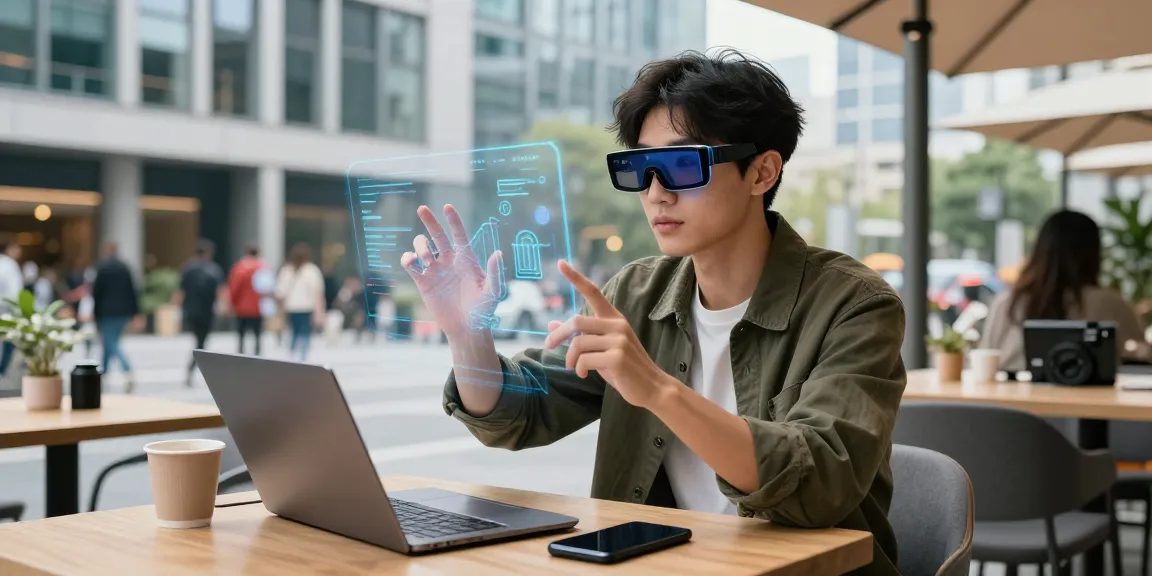
Smart glasses are wearable devices equipped with technology to display information directly in the user’s line of sight. They differ from traditional eyewear by incorporating augmented reality (AR) capabilities, head tracking, cameras, and voice control systems. The core function of smart glasses is to enhance the user’s experience by merging the physical and digital worlds seamlessly. This unique blend of features makes them suitable for a variety of applications, from navigation and communication to entertainment and healthcare.
Historical Development of Smart Glasses
The journey of smart glasses began in the early 2000s with devices like GlassFish, which featured basic augmented reality capabilities. However, it wasn’t until Google introduced Google Glass in 2013 that the concept gained significant attention. Although met with mixed reviews, Google Glass set the stage for public interest in smart eyewear. Since then, several companies, including Microsoft, Vuzix, and Epson, have released their iterations, improving functionality and user experience. By 2026, the evolution of smart glasses is marked by substantial advancements in display technology, battery life, and interoperability with other devices.
Key Technological Advancements in 2026
As we move into 2026, the capabilities of smart glasses have reached new heights. Innovations such as micro-OLED displays and lightweight materials have resulted in more comfortable and visually appealing designs. Additionally, advancements in artificial intelligence (AI) and machine learning have enabled smart glasses to process information more efficiently, allowing for features like real-time translation and contextual notifications. Furthermore, improved battery technology enables longer usage times, addressing one of the significant limitations of earlier models.
Top Smart Glasses to Watch in 2026
With numerous models flooding the market, it can be challenging to differentiate between options. In 2026, several smart glasses stand out due to their unique features and functionalities.
Review of Leading Smart Glasses Models
- Meta Ray-Ban Stories: These glasses integrate Facebook’s social media functionalities, allowing users to capture and share moments seamlessly while also featuring enhanced AR capabilities.
- Microsoft HoloLens 2: Aimed at enterprise solutions, HoloLens 2 offers immersive mixed-reality experiences tailored for professional use, including design visualization and remote collaboration.
- Google Glass Enterprise Edition 2: This model expands on the original Google Glass by offering improved performance and integration for business applications, focusing on improving workflow efficiencies.
- Vue Smart Glasses: Known for their stylish design, Vue glasses provide music playback, calls, and notifications while prioritizing aesthetics, appealing to fashion-conscious users.
Unique Features of 2026 Smart Glasses
The smart glasses set for release in 2026 include extraordinary features aimed at enhancing user interaction and functionality. For instance, many models now come equipped with voice assistant integration, allowing users to control their environment through simple voice commands. Some devices even offer health monitoring features, such as heart rate and oxygen saturation tracking, catering to the growing demand for health-centric wearables.
Comparison of Price and Functionality
Pricing for smart glasses varies significantly based on functionality and brand. Entry-level models may retail for under $300, while high-end devices with advanced AR capabilities can exceed $2,000. It’s crucial for consumers to weigh their intended use against the price, ensuring they invest in a model that meets their unique needs and lifestyle.
Consumer Use Cases for Smart Glasses
Smart glasses are dramatically reshaping how we interact with the world, offering practical benefits across various sectors.
Augmented Reality in Everyday Activities
In daily life, smart glasses equipped with augmented reality can enhance navigation through visual overlays of directions directly on the lens. For instance, users can receive step-by-step navigation while walking or driving, significantly improving route comprehension and safety.
Smart Glasses for Fitness and Health Tracking
Health and fitness tracking is another significant application of smart glasses. By providing real-time data on physical activities, such as distance covered, heart rate, and calories burned, smart glasses can motivate users to achieve their fitness goals more effectively. Integration with fitness apps allows for seamless data tracking and analysis.
Educational Applications of Smart Glasses
In education, smart glasses have the potential to enhance learning experiences. Teachers can use AR to visualize complex concepts, while students can interact with virtual content, making learning more engaging and effective. Programs are emerging that utilize smart glasses for remote learning, allowing students to connect with instructors in real-time through augmented overlays.
Challenges Facing Smart Glasses Adoption
Despite their potential, smart glasses face several challenges that may hinder widespread adoption.
Technical Barriers and User Experience Issues
One major barrier remains the user experience. Many users report discomfort or difficulty adjusting to smart glasses, particularly with heavier models. Additionally, battery limitations often restrict usage times, leading to frustration among users.
Consumer Awareness and Misconceptions
Consumer awareness is another challenge; many potential users remain unaware of the full capabilities and functionalities smart glasses offer. Misconceptions about privacy issues and the technology’s complexity can deter users from exploring these innovative devices.
Privacy Concerns with Smart Glasses
Privacy remains a significant concern, as smart glasses often incorporate cameras and microphones. Users worry about surveillance and data security, which can impact the adoption rate. Manufacturers must address these concerns transparently to build trust among consumers.
The Future of Smart Glasses: What’s Next?
The future of smart glasses is poised for remarkable growth, with ongoing developments that promise to transform their market presence.
Predictions for Smart Glasses Development
Experts predict that smart glasses will become more integrated with everyday life, significantly enhancing their functions. Future models are likely to incorporate advanced features like holographic displays and improved social media integration, making them indispensable tools for both personal and professional use.
Consumer Trends to Anticipate in 2026
As we approach 2026, trends indicate a shift towards more affordable and user-friendly smart glasses. Consumers will likely favor devices that offer versatile functionalities without overwhelming complexity. Style and aesthetics will also become crucial purchasing factors, as users seek trendy options that align with their personal brand.
Expert Insights on the Evolution of Smart Glasses
Industry experts emphasize the importance of continuous innovation in optimizing user experience and functionality. By listening to consumer feedback and prioritizing privacy and comfort, manufacturers can refine their products and better cater to market demand.
How Will Smart Glasses Change Our Lives?
Ultimately, smart glasses have the potential to revolutionize how we perceive and interact with the world. As advancements continue and user adoption increases, we may witness a future where smart glasses are as common as smartphones, fundamentally altering our daily interactions and experiences.