Understanding Utility Surveys in Surrey
Utility surveys play a crucial role in the planning and execution of construction projects, particularly in areas like Surrey, where infrastructure is densely packed. As the need for thorough and reliable data increases, understanding the nuances of utility surveying becomes essential for stakeholders. This article explores what a utility survey entails, its applications, the technologies involved, and how to choose the right provider in Surrey. When exploring options, Utility Survey Surrey offers comprehensive insights into the utility mapping services available.
What is a Utility Survey?
A utility survey is a detailed assessment that identifies and maps underground utilities such as water pipes, gas lines, electrical cables, and telecommunications infrastructure. These surveys are vital for any construction or renovation project to prevent accidental damage to existing utilities and to ensure compliance with safety regulations. By employing advanced technologies, utility surveys accurately reveal the location of these buried assets, providing a clear picture for engineers and contractors.
Common Applications of Utility Surveys
- Construction Projects: Before any excavation begins, a utility survey ensures that all existing utilities are accounted for, mitigating risks associated with accidental strikes.
- Site Development: Developers utilise utility surveys to evaluate the feasibility of new projects, ensuring that the infrastructure can support their plans.
- Infrastructure Maintenance: Utility surveys help in mapping existing infrastructure, aiding maintenance teams in locating assets quickly and efficiently.
- Environmental Studies: Surveys can be used in environmental assessments to understand how underground utilities affect the surrounding ecosystem.
Importance of Accurate Utility Mapping
Accurate utility mapping is critical to the success of any project. Misidentifying the location of utilities can lead to costly delays, legal issues, and even safety hazards. By utilising services that conform to standards such as PAS 128, stakeholders can ensure that they are making informed decisions based on precise and reliable data. This accuracy also plays a pivotal role in preventing service disruptions that could impact both residential and commercial areas.
Technology Used in Utility Surveys
Ground Penetrating Radar (GPR) Explained
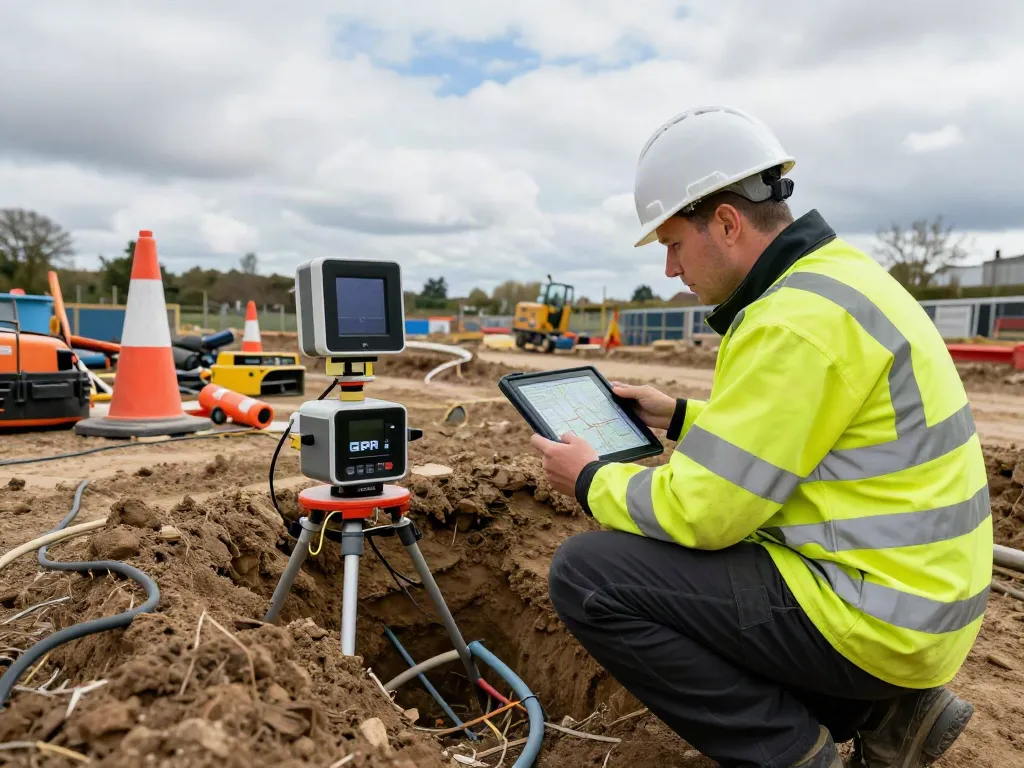
Ground Penetrating Radar (GPR) is a non-invasive technology that employs radar pulses to image the subsurface. This method is particularly effective in urban environments, where multiple layers of utilities may coexist. GPR is widely used in utility surveying because it provides real-time data and can penetrate various types of soil and concrete structures, making it ideal for comprehensive mapping.
Electromagnetic Location (EML) Techniques
Electromagnetic Location (EML) techniques utilise electromagnetic fields to trace conductive materials, such as metallic pipes and cables. This method complements GPR by providing additional data regarding the utilities detected. By using both EML and GPR, surveyors can enhance the accuracy of their findings and create more detailed utility maps, reducing the risk of unforeseen complications during projects.
Benefits of Combining Technologies
Combining GPR and EML offers a layered approach that maximises the strengths of both techniques. While GPR excels at providing a comprehensive view of the subsurface environment, EML adds a level of reliability in detecting specific types of utilities. This synergy results in a more thorough assessment, allowing for a better understanding of utility layouts and complexities.
How to Choose a Utility Survey Provider
Assessing Qualifications and Experience
Choosing the right utility survey provider is essential for ensuring the quality and reliability of the services rendered. Look for providers with industry-recognised qualifications and a solid track record of experience in utility surveying. Companies that adhere to standards such as PAS 128 demonstrate their commitment to best practices in the field.
Questions to Ask When Hiring
When evaluating potential survey providers, ask the following questions:
- What technologies do you employ for utility surveying?
- Can you provide references or case studies from previous projects?
- How do you ensure compliance with industry standards?
- What is the expected turnaround time for the results?
Understanding Service Offerings and Limitations
Different survey providers offer varied services. It's important to fully understand what is included in your contract and what limitations the provider might have. For instance, some firms may specialise in certain technologies or types of surveys. Ensure that their offerings align with your project's needs to avoid miscommunication and unmet expectations.
Best Practices in Utility Surveying
Preparing for a Utility Survey
Preparation is key to a successful utility survey. Stakeholders should gather necessary site information beforehand, including existing utility maps, site plans, and land ownership documents. Engaging with local authorities and utility companies can also facilitate smoother operations during the survey process.
Ensuring Compliance with PAS 128 Standards
Compliance with PAS 128 standards is vital for ensuring that utility surveys meet industry recognitions. These standards provide a framework for creating, managing, and interpreting utility surveys effectively. By ensuring that your survey provider complies with these standards, you can be confident in the accuracy and quality of the results.
Post-Survey Reporting and Analysis
After completion of a utility survey, the provider should present a detailed report that includes all findings along with visual mapping. This documentation is essential for the ongoing development of projects and should include recommendations for any identified issues. Regular analysis of survey reports can help in improving future surveying efforts.
Future Trends in Utility Surveying for 2026 and Beyond
Emerging Technologies and Innovations
As technology continues to advance, the utility surveying industry is likely to see new innovations that enhance accuracy and efficiency. Developments in drone technology for aerial surveys and the use of artificial intelligence in data analysis are set to revolutionise the field, providing even clearer insights into subsurface conditions.
Anticipated Changes in Regulatory Framework
Regulatory frameworks governing utility surveys may evolve to address the complexities introduced by new technologies. Stakeholders should stay informed about potential changes to ensure compliance with emerging regulations, particularly those related to data protection and environmental impact assessments.
Environmental Considerations in Utility Surveys
As awareness of environmental issues increases, utility surveys must also consider their ecological impact. Future surveys may incorporate techniques to minimise disruption to the environment and document findings in a manner that supports sustainability goals. Practices such as reducing carbon footprints during surveys will gain importance.
What is the average cost of a utility survey?
The cost of a utility survey in Surrey can vary greatly depending on the size of the area being surveyed and the complexity of the underground utilities. Generally, stakeholders should expect to pay anywhere from a few hundred to several thousand pounds for comprehensive surveys, especially if advanced technologies like GPR and EML are utilised.
How does GPR technology work for utility surveying?
GPR technology works by sending high-frequency radio waves into the ground and measuring the reflection of these waves as they encounter different materials. The resulting data is then analysed to create images of subsurface structures, allowing surveyors to identify and map utilities accurately.
What should I consider when planning a utility survey?
Considerations when planning a utility survey include the specific project requirements, local regulations, the type of technology to be used, and the qualifications of the survey provider. Engaging a provider familiar with your project's nuances will yield the best results.
Are utility surveys necessary for small construction projects?
Yes, utility surveys are important for small construction projects as well. Even minor excavations can accidentally damage underground utilities, leading to costly repairs and delays. Conducting a utility survey can prevent such issues.
What are common challenges in utility surveying?
Common challenges in utility surveying include inaccurate existing utility maps, complex subsurface conditions, and environmental factors that can limit the effectiveness of certain surveying techniques. Addressing these challenges often requires a combination of methods and technologies.